The next step after major weight loss

Post-Bariatric Body Restoration After Weight Loss

Significant weight loss, whether as the result of bariatric surgery (gastric sleeve, gastric bypass, mini bypass, intragastric balloon) or through intensive dieting and exercise, is an achievement that radically transforms quality of life. Even so, for many patients the journey does not end at the scale. The large and rapid reduction in body weight often leaves behind extensive excess skin, tissue laxity and disproportions that prevent the patient from fully enjoying their new body. Post-bariatric plastic surgery, also known as body restoration after weight loss, is a highly specialized field of plastic surgery that aims at the complete reshaping of the body, the removal of excess skin and the repositioning of the tissues into their natural place.
What is it

What is post-bariatric plastic surgery

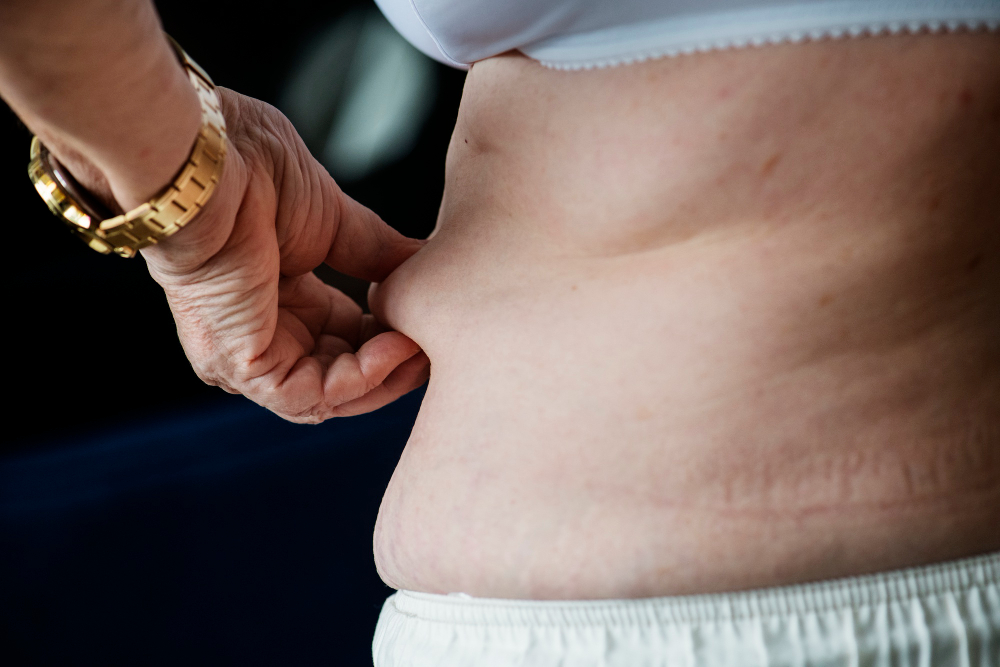
Post-bariatric plastic surgery comprises a set of procedures performed after the target weight has been reached and stabilized. Major weight loss, usually in excess of 30 to 40 kilos, leads to a loss of skin elasticity, as the skin is unable to contract to the same degree as the underlying reduction in fatty tissue. The result is what is known as excess skin, which collects mainly on the abdomen, the inner thighs, the arms, the breasts, the buttocks and the back area. Beyond the aesthetic aspect, excess skin often creates real functional problems: chafing, moisture and infections within the folds, difficulty in carrying out daily activities, difficulty in choosing clothing, physical discomfort during exercise and a psychological burden. Post-bariatric restoration is therefore not a simple cosmetic intervention; it is the final and essential step in completing the patient's transformation.

Who post-bariatric restoration is for

Post-bariatric plastic surgery is intended for adults, both men and women, who have successfully undergone:

- Bariatric surgery (sleeve gastrectomy, gastric bypass, mini gastric bypass)

- Placement of an intragastric balloon

- An intensive weight-loss program through diet and exercise

- Pharmaceutical treatment for the management of obesity

To be a candidate for body restoration surgery, certain conditions must be met: weight stabilization for at least 6 to 12 months, good general health, abstinence from smoking and realistic expectations regarding the results. Psychological readiness and cooperation with the nutritional team are equally important factors for success.

Correct Timing

When is the right time for surgery

1. Σταθεροποιημένο βάρος
Stabilized weight when the weight has been stable for at least 6 to 12 months.

2.Ισορροπημένη διατροφή
Balanced nutrition Without nutritional deficiencies in protein, iron, vitamin D and B12.

3. Καλή γενική υγεία
Good general health The overall condition allows for surgery and general anesthesia.

4. Υγιές δέρμα
Healthy skin There are no active skin infections in the treatment areas.

Body restoration procedures after weight loss

Every patient is a unique case. Most cases require a combination of procedures planned in
stages. At Esea Clinic we apply the full range of post-bariatric techniques.

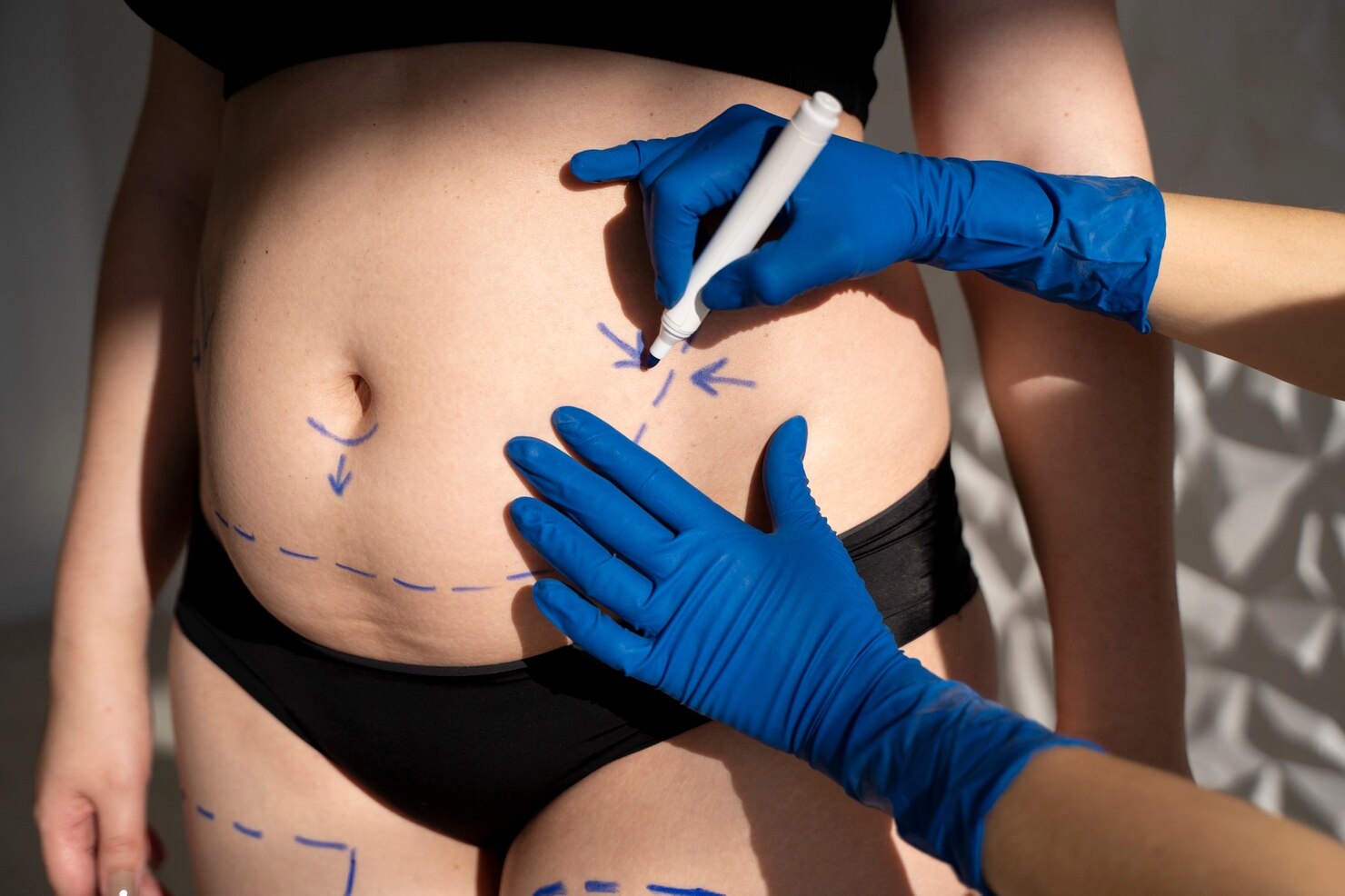
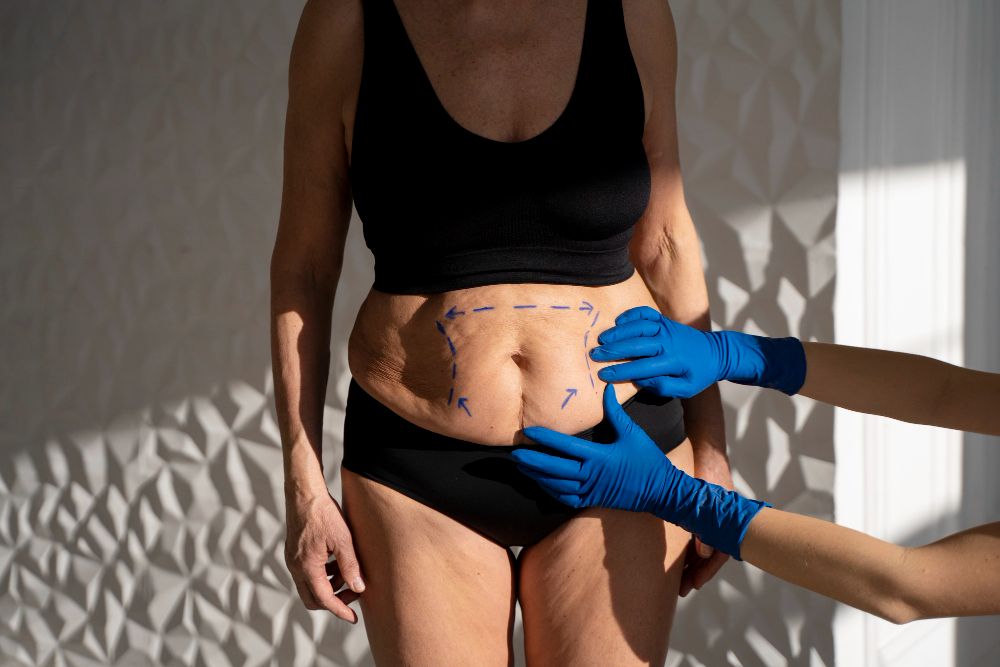
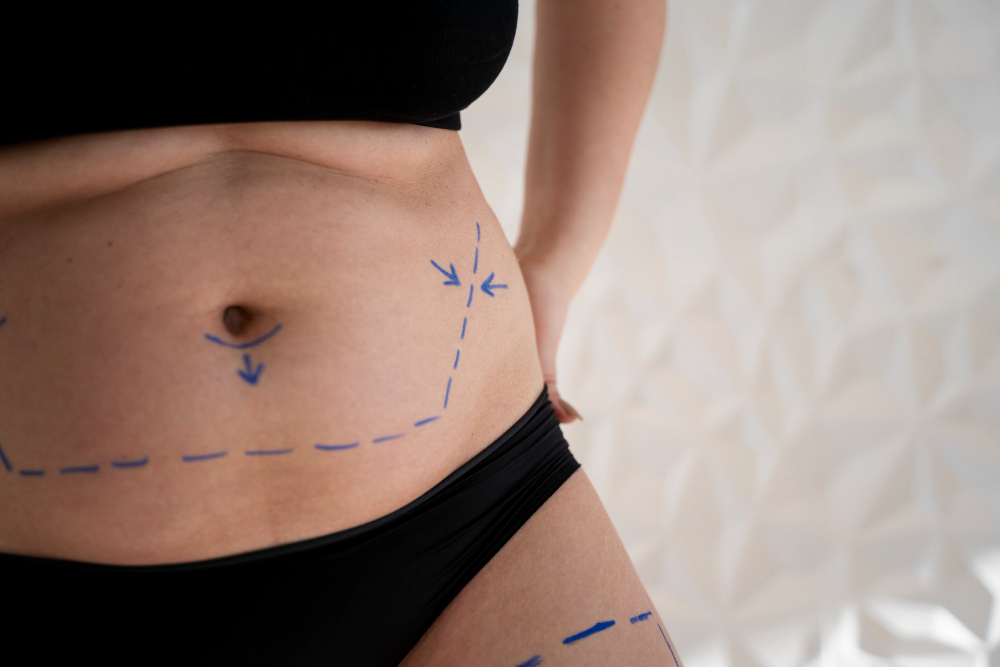
The most common procedure after major weight loss. It removes the excess skin and fat of the abdominal area, restores the tone of the abdominal muscles (diastasis recti) and reshapes the navel region. In extensive cases, an extended abdominoplasty or fleur-de-lis abdominoplasty is performed, with a vertical and horizontal incision.

The arm lift addresses the characteristic "hanging" skin on the inner part of the arm. The incision is placed on the inner side of the arm, so that it is camouflaged within the natural contour and remains hidden in everyday postures.

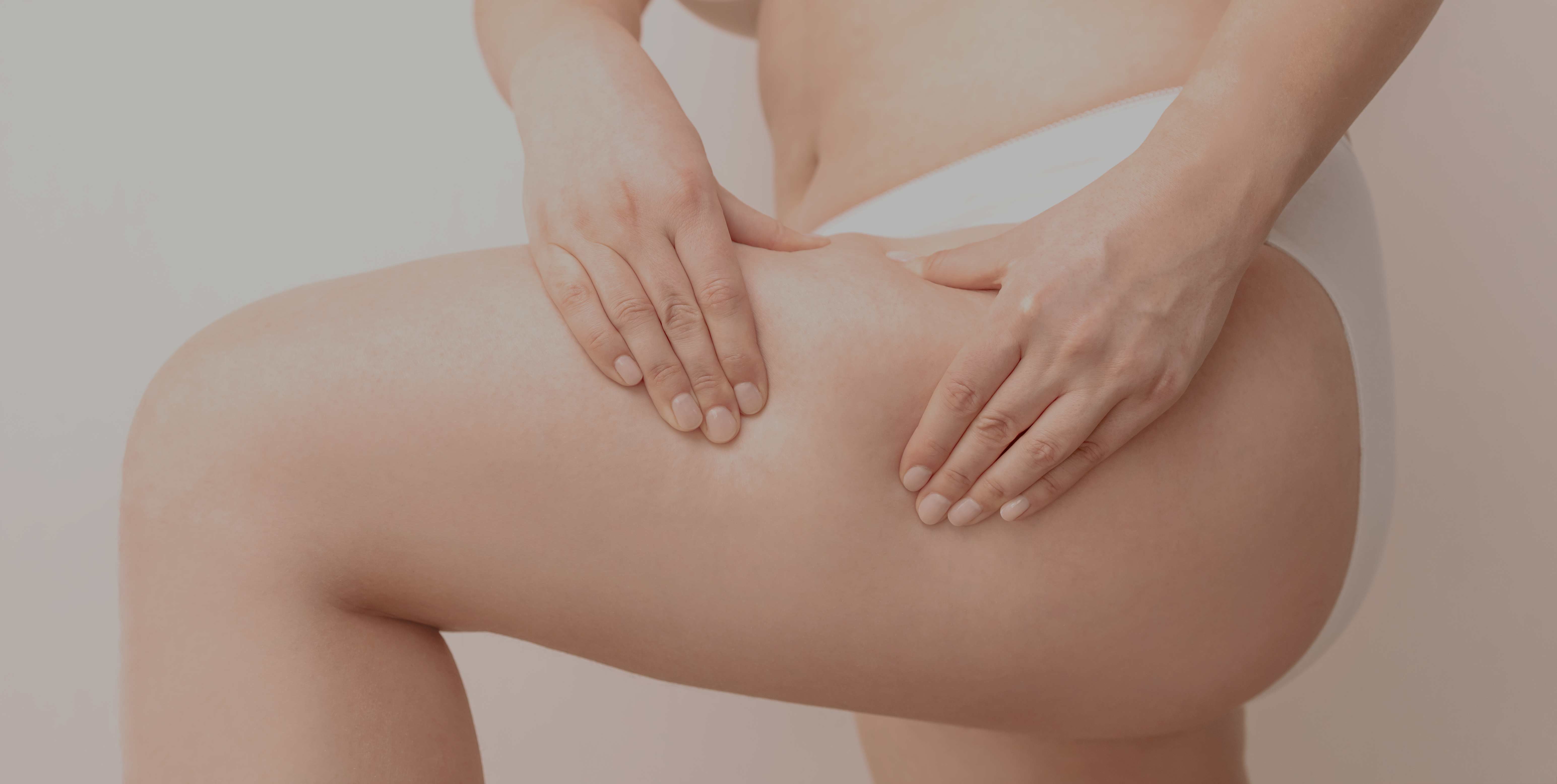
Thigh lift surgery removes excess skin from the inner and/or outer part of the thighs, improving the contour and making movement easier. The choice is made between a medial thigh lift, vertical thigh lift or outer thigh lift, depending on the extent of the laxity.

Significant weight loss almost always causes sagging and loss of breast volume. Depending on the desired result, a simple mastopexy, mastopexy with an implant, or breast reduction is performed.

The circumferential body lift (lower body lift) is one of the most extensive post-bariatric
procedures. It combines an abdominoplasty, a buttock lift and an outer thigh lift in a single
circular incision around the lumbar region, reshaping the entire lower part of the body.

This addresses the skin folds in the back area, at bra level, as well as the laxity of the lateral
chest wall.

In patients with major weight loss, premature aging of the face and laxity of the neck often
appear. Treatment is carried out with a face lift and neck lift, tailored to each individual case.

Combining procedures in stages

Post-bariatric restoration is rarely completed in a single operation. In most cases, 2 or 3
surgical stages are needed, with intervals of 3 to 6 months in between, in order to achieve a
complete and safe result.


At Esea Clinic we design a personal "roadmap" for each patient, based on:

  1. Anatomical priorities
     Which area is the most troublesome, both functionally and aesthetically.
  2. General state of health
    And the recovery time the patient is able to dedicate.
  3. Interdisciplinary approach
    Cooperation with the bariatric surgeon or the physician monitoring the patient.
  4. Τρισδιάστατη Crisalix
    3D Crisalix imaging - Realistic preview of the results before the procedure.

Recovery duration and results
The duration of recovery varies depending on the extent of the procedure. The results are
visible immediately and improve gradually.
 

  • 1 - 3 Days
    Hospital stay (Depending on the complexity of the procedure.)
  • 2 - 3 Weeks
    Sedentary work; return to light daily activities.
  • 4 - 6 Weeks
    Low-intensity exercise; gradual return to physical activity.
  • 3 - 6 Months
    Full exercise; completion of the final aesthetic result.
  • 12 - 18 Months
    Scar maturation; scars soften significantly with proper care.

The use of specialized elastic compression garments, a proper diet rich in protein, and abstinence from smoking and alcohol during recovery are crucial to the quality of the final result. With a stable weight and a healthy lifestyle, the results are long-lasting.

Scientific expertise and international standards in the center of Thessaloniki  
 

  • Personalized planning  
    Every post-bariatric restoration case is approached with a unique plan, taking into account anatomical, functional and psychological needs.
  • 3D Crisalix imaging  
    A realistic preview of the result, so that you can take an active part in the decisions regarding your new body.
  • Certified surgical environment  
    Operating to the highest international standards of safety and quality in plastic surgery services.
  • Continuous support  
    Our team accompanies you before, during and after the procedure, with the discretion and respect you deserve.

Everything you want to know about post-bariatric restoration

It is recommended to wait at least 12 to 18 months after bariatric surgery, and for your
weight to have been stable for at least 6 months. The exact timing is determined on an
individual basis, in cooperation with your bariatric surgeon.

Recovery time varies: returning to sedentary work usually takes 2 to 3 weeks, while the final result matures over 6 to 12 months. At your first appointment we will give you a detailed plan based on your specific procedures.

Post-bariatric procedures require relatively extensive incisions, but these are carefully planned so as to lie in naturally camouflaged positions (the underwear line, the inner arm, the inner thigh). With proper care, the scars improve significantly within the first 12 to 18 months.

Post-bariatric abdominoplasty is clearly more extensive: it removes a much larger amount of skin and tissue, often requires a double incision (vertical and horizontal, fleur-de-lis), addresses significant diastasis recti and reshapes the navel. The planning and the technique require specialized expertise in post-bariatric surgery.

The results are long-lasting, provided that a stable weight is maintained. Large weight fluctuations or a new pregnancy after the procedure can affect the result.

The most common sequence starts with the trunk (abdominoplasty or body lift), continues with the breasts and then the upper limbs. The order is individualized based on each patient's priorities.